
A few bags of trash? Your regular bin handles that fine. But a garage cleanout, a bathroom gut job, or a new roof? That's a whole different story. Junk piles up fast, and curbside pickup just can't keep up. If you're planning a big cleanup, a residential dumpster rental in Homosassa is the easiest way to keep it all in one place.
So what makes a roll-off different from a regular trash bin? Size is part of it, sure. But it's really built for short-term, heavy loads. It sits in your driveway, you fill it up, and it gets hauled away. In my opinion, if you're unsure, go one size up. A half-empty dumpster beats a second haul any day.
What Is a Roll-Off Dumpster?
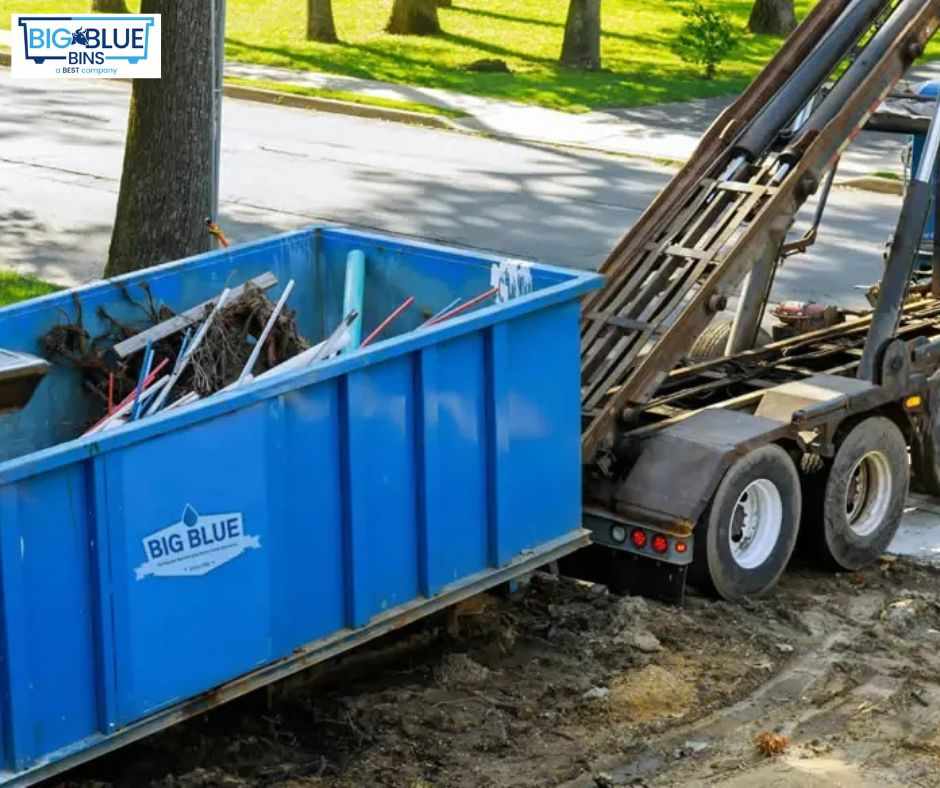
A roll-off dumpster is a big, open-top metal box. A truck drops it at your place, you fill it up, and the same truck hauls it away when you're done. The name comes from how it gets delivered. The container literally rolls off the back of the truck onto the ground.
It's not like your regular trash bin. Your bin handles everyday stuff. A roll-off is for projects where a pile of junk shows up all at once. People usually throw in things like:
Remodeling and construction scraps
Roofing materials
Old furniture and general clutter
Yard waste
Flooring and drywall
Regular household junk, just a lot of it
The dumpster stays put for the whole rental period, so you can fill it bit by bit as the work goes on. Honestly, I'd go one size up if you're on the fence. A slightly big dumpster costs a few extra bucks. A too-small one costs you a second delivery and a lot of headache.
Understanding Roll-Off Dumpster Sizes
Not every project makes the same amount of trash. That's why dumpster size matters so much.
A small home cleanup doesn't need much room. A full remodel needs a lot more. Pick too small, and you'll end up paying for another pickup or a swap. Pick too big, and you're paying for space you never use. Neither one feels great.
Before you decide, ask yourself a few things:
What are you tossing? Drywall and shingles act very differently than old couch cushions.
How much stuff will the job really make? Be honest here. It's almost always more than you think.
Is the debris bulky or compact? Big awkward pieces waste a lot of space.
How long will the project run?
Will the pile grow as the work goes on? It usually does.
Roll-Off Dumpster Benefits for Larger Projects
The advantages of using a roll-off container become clearer when waste starts accumulating quickly.
Some common roll-off dumpster benefits include:
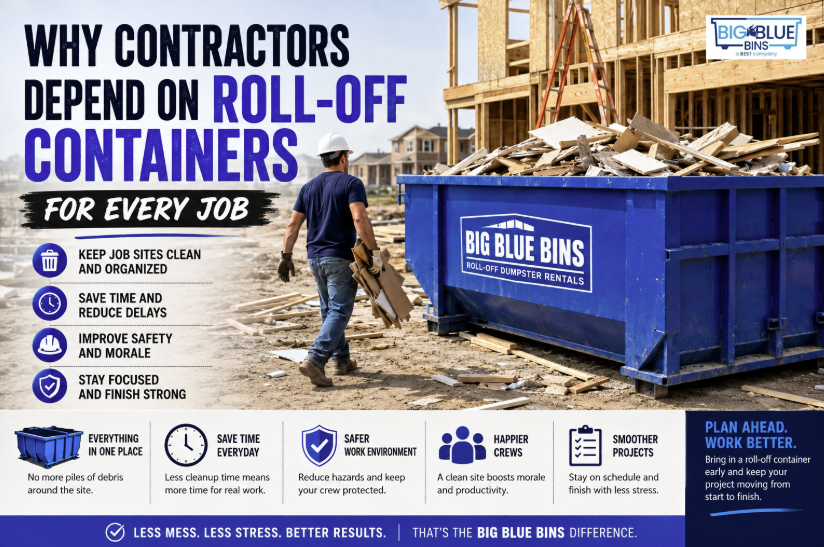
One central collection point: Workers, contractors, or homeowners know exactly where project waste belongs.
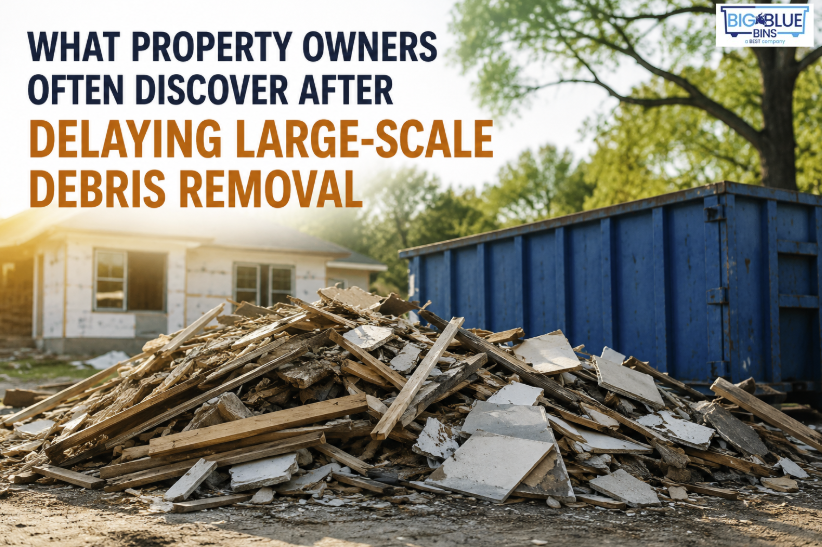
Less clutter: Debris is contained instead of spreading around the property or jobsite.
Fewer disposal trips: Large quantities of waste can be collected in one container.
Better project organization: Keeping waste in a designated area can make active work areas easier to manage.
Flexible project use: Roll-off dumpsters can work for everything from home cleanouts to construction projects, depending on the accepted materials.
There is also a practical benefit that is easy to overlook: less time spent figuring out what to do with every new load of debris.
Common Roll-Off Dumpster Uses
Roll-offs show up on all kinds of jobs because they're built for more than everyday trash. Big Blue Bins provides containers that can help keep larger cleanup projects organized from start to finish. Here are some common situations where you'll see them:
Home cleanouts. Moving, downsizing, clearing out a parent's house, or cleaning the garage. You'll fill a regular bin in one afternoon.
Remodeling. Old cabinets, flooring, drywall, and fixtures pile up fast once demo starts.
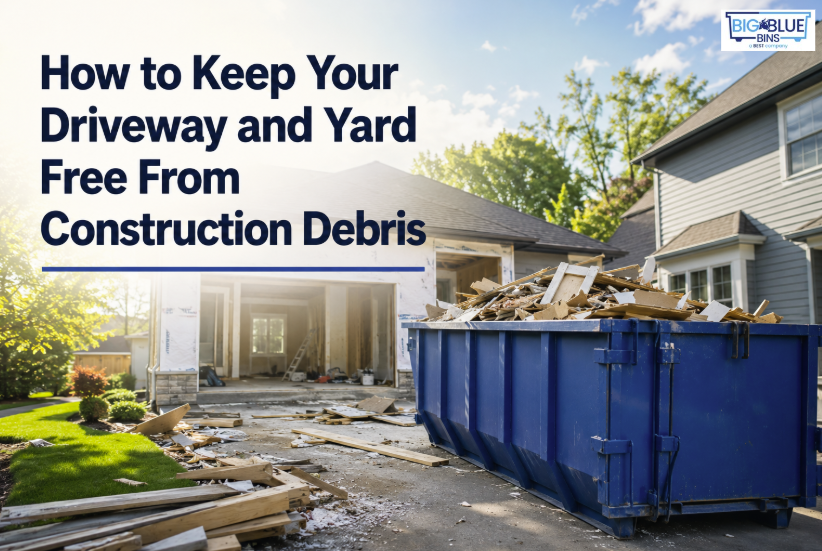
Roofing. A roof tear-off makes a shocking amount of junk in a day or two. Having the dumpster right there keeps shingles off your lawn.
Landscaping. Branches, brush, and leaves take over your yard quick. Bagging it all gets old.
Construction. Scraps stack up all the time on a job site. A dumpster keeps them out of the way so people can actually work.
How Roll-Off Dumpsters Make Waste Easier to Manage
The gap between a roll-off and a regular trash bin really shows up when you're running a project, not just taking out the everyday garbage.
Picture a homeowner ripping out flooring in a few rooms. The old planks come up in jagged pieces. Then the packaging from the new stuff piles up. Then the leftover scraps. Try squeezing all that into a normal bin and you'll be annoyed by lunchtime.
A roll-off gives the mess one place to go. That's the whole point. What usually works is tossing things in as you go, so the floor stays clear and you don't trip over piles. What often fails is trying to "make it fit" in the household bin, which just leads to overflow and a messy garage.
Honestly, for any multi-room job, I'd rent the dumpster and stop fighting it. For more ideas on keeping project debris under control, check out Managing Waste With Roll-Off Dumpsters.
How to Use a Roll-Off Dumpster Properly
Getting the most out of a dumpster isn't about filling it as fast as you can. A little care up front saves you a lot of grief later.
Stay below the fill line. Don't pile stuff over the top edge. The driver can refuse an overfull load, and then you're pulling things out in your driveway.
Spread the heavy stuff. Don't dump all the concrete or shingles in one corner. Lay it out across the bottom, then put lighter things on top.
Know what's banned. Paint, tires, batteries, and some appliances usually can't go in. Call and ask before you toss anything that seems iffy.
Pick the drop spot early. The truck needs room to get in and back out. Try not to block your driveway, walkway, or the area where people are working.
Conclusion
A trash bin is for the everyday stuff your family makes week after week. A roll-off is for a project that makes a mountain of junk in a short time. That's the real split.
So which one do you need? It comes down to how much waste you'll have, what kind it is, and when it shows up. Cleaning out a property, gutting a room, tearing off a roof, clearing yard debris, or running a construction job? A roll-off gives you one spot to toss everything as you go.
Honestly, if you're doing anything bigger than a weekend cleanup, I'd just rent the roll-off and skip the headache.
If you're a homeowner or contractor nearby, Big Blue Bins offers dumpster rentals for home, commercial, and construction cleanups.
Frequently Asked Questions
1. What is the main difference between a roll-off dumpster and a standard trash bin?
A roll-off dumpster handles larger amounts of waste for temporary projects, while standard trash bins are designed for everyday household garbage.
2. Are roll-off dumpsters only for construction projects?
No. They can also be used for home cleanouts, remodeling, roofing, landscaping, moving, and other larger cleanup projects.
3. How do I choose the right roll-off dumpster size?
Consider the amount and type of debris your project will generate. Larger or bulkier projects generally require more container space.
4. Can I put household items in a roll-off dumpster?
Yes, many household items are accepted. However, certain hazardous or restricted materials may be prohibited, so check the provider’s guidelines first.
5. How long can a roll-off dumpster stay on my property?
The rental period varies by provider and project. Ask about the available rental period when arranging delivery and pickup.
6. Can a roll-off dumpster be used for yard waste?
Yes. They can handle many types of yard debris, including branches, brush, and leaves, depending on the provider’s accepted-material rules.
7. Why are roll-off dumpsters useful for large cleanouts?
Their larger capacity and open-top design make it easier to collect bulky items and large amounts of debris in one place.
Write a comment ...