
A commercial property can look totally fine one week, then turn into a construction zone the next. Retail build-out, office renovation, restaurant remodel, whatever it is, one thing always shows up fast: waste management either keeps things moving or it grinds everything to a halt. No middle ground, really. That's why a lot of property managers I've seen get this right line up dumpster rental services in Homosassa before construction even kicks off. Debris gets handled without stepping on contractors, tenants, or daily operations.
Tenant improvement jobs make more trash than people think. Drywall, flooring, old cabinets, packaging, metal scraps, busted fixtures: it stacks up quick, way quicker than most timelines account for. And once a site gets cluttered, safety risks climb and the schedule starts slipping. This is the part that always gets missed: it's rarely one big disaster, just debris nobody planned for early on.
Honestly, the difference between a smooth TI project and a messy one usually comes down to this exact thing: waste, not design or permits. This guide covers what experienced commercial property managers actually prioritize when planning removal, and why getting it sorted early keeps the whole job on track.
What Property Managers Evaluate Before Choosing a Dumpster Provider
Picking the right provider isn't just about who's cheapest. That's actually one of the bigger mistakes I see.
1. Dumpster Size Availability
Different TI projects make different debris, different amounts too, so size isn't something to guess at. Here's roughly how it plays out:
Office remodels: A medium dumpster handles drywall, ceiling tiles, old furniture, usually enough.
Retail renovations: Go bigger. Shelving, flooring, displays, packaging piles up quicker than you'd think.
Restaurant build-outs: One dumpster rarely covers it. Swapping dumpsters as demo turns into build-out works way better.
Multi-suite renovations: Don't try to run everything through one dumpster. Spread them across work areas or you'll end up with debris jamming up every crew's path.
Get the size wrong, and it costs you either way: overflow mid-project, or extra hauls you didn't budget for.
2. Flexible Pickup Scheduling
Construction timelines shift. Always. Every single project. So the managers who've done this before care less about the lowest quote and more about whether the company can:
Move pickup dates when things change
Get a replacement dumpster out fast
Handle way more debris than the original estimate
Work around whatever the contractors are dealing with that week
My honest take? Flexibility beats price almost every time. A cheap rental that shows up late isn't actually cheap.
3. Site Accessibility
Every property's got its own headaches. Worth figuring out before the truck ever shows up:
Does the dumpster block customer parking?
Can trucks get in and out without a hassle?
Is there room to actually maneuver?
Will more than one contractor need access at once?
Sort this out ahead of time. Waiting until delivery day to figure it out is how a project loses an entire morning over something that takes five minutes to plan.
Construction Waste Removal Is More Complex Than It Looks
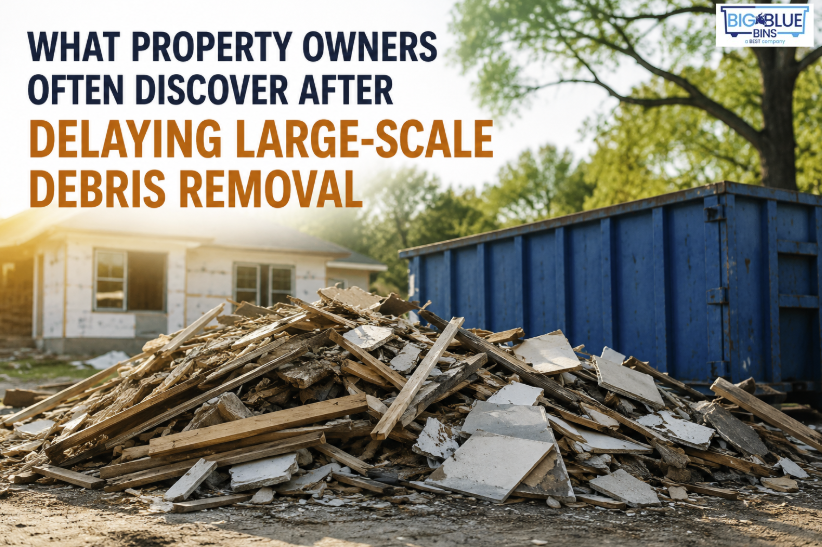
Not all construction debris is the same, and treating it like it is usually causes problems down the line.
A typical Tenant Improvement project can generate a real mix:
Drywall
Wood framing
Ceiling tiles
Carpet
Concrete
Brick
Packaging materials
Metal
Fixtures
Insulation
That's a lot of different stuff, and honestly, some of it needs to go different places. Professional construction waste removal handles that part — making sure everything gets collected, hauled, and disposed of the right way, following local rules, without turning the job site into a hazard while it's all sitting there waiting to go.
Planning Dumpster Placement Makes a Big Difference
One common mistake is placing dumpsters wherever space appears available.
Experienced property managers instead consider:
1. Traffic Flow
Dumpsters shouldn't interfere with:
Delivery trucks
Emergency access
Customer parking
Pedestrian walkways
2. Construction Workflow
The dumpster should remain close enough for efficient disposal without interfering with equipment operation.
3. Surface Protection
Heavy containers may require placement on suitable surfaces to minimize damage to pavement or decorative landscaping.
Small placement decisions often have a significant impact throughout the project.
When Roll-Off Dumpster Rental Is the Better Choice
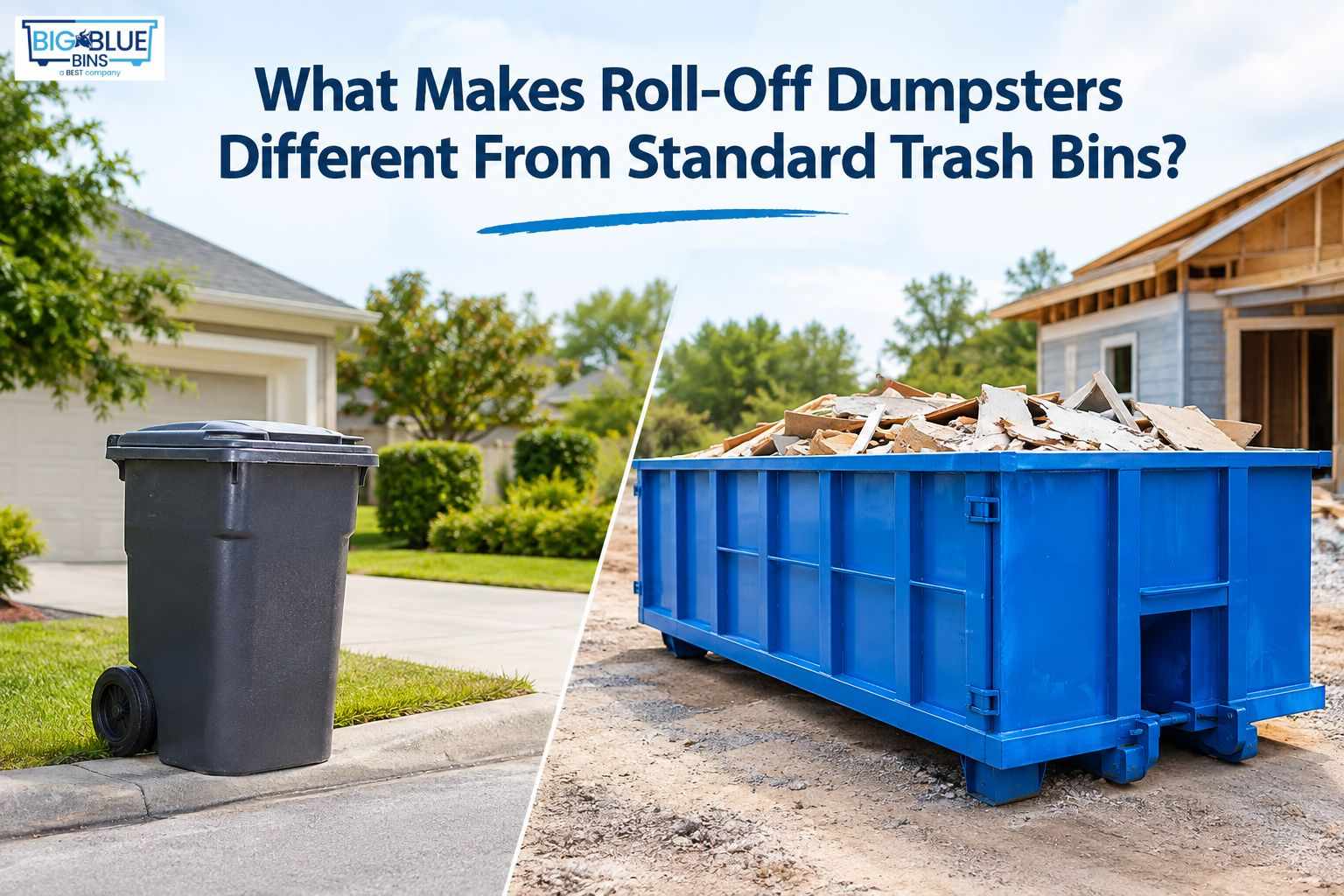
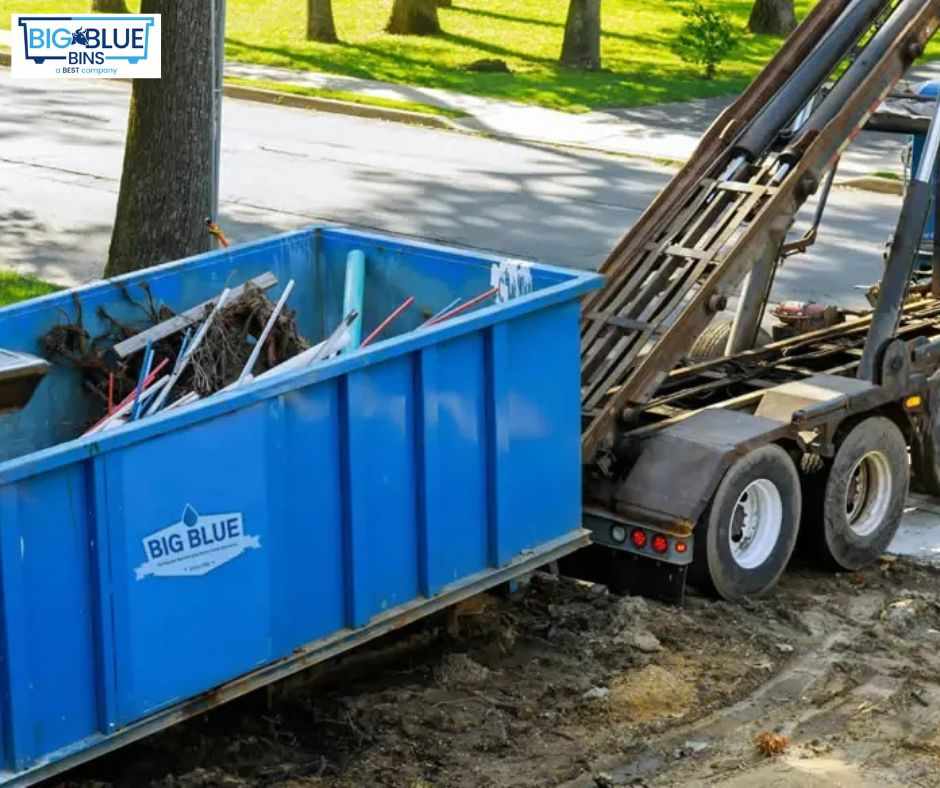
Big Tenant Improvement projects don't just make debris once; it keeps coming, week after week, all the way through. A roll-off dumpster rental handles that better than most other options. You get:
Serious capacity, not a container that fills up in two days
Easy loading, crews can just toss stuff in without hassle
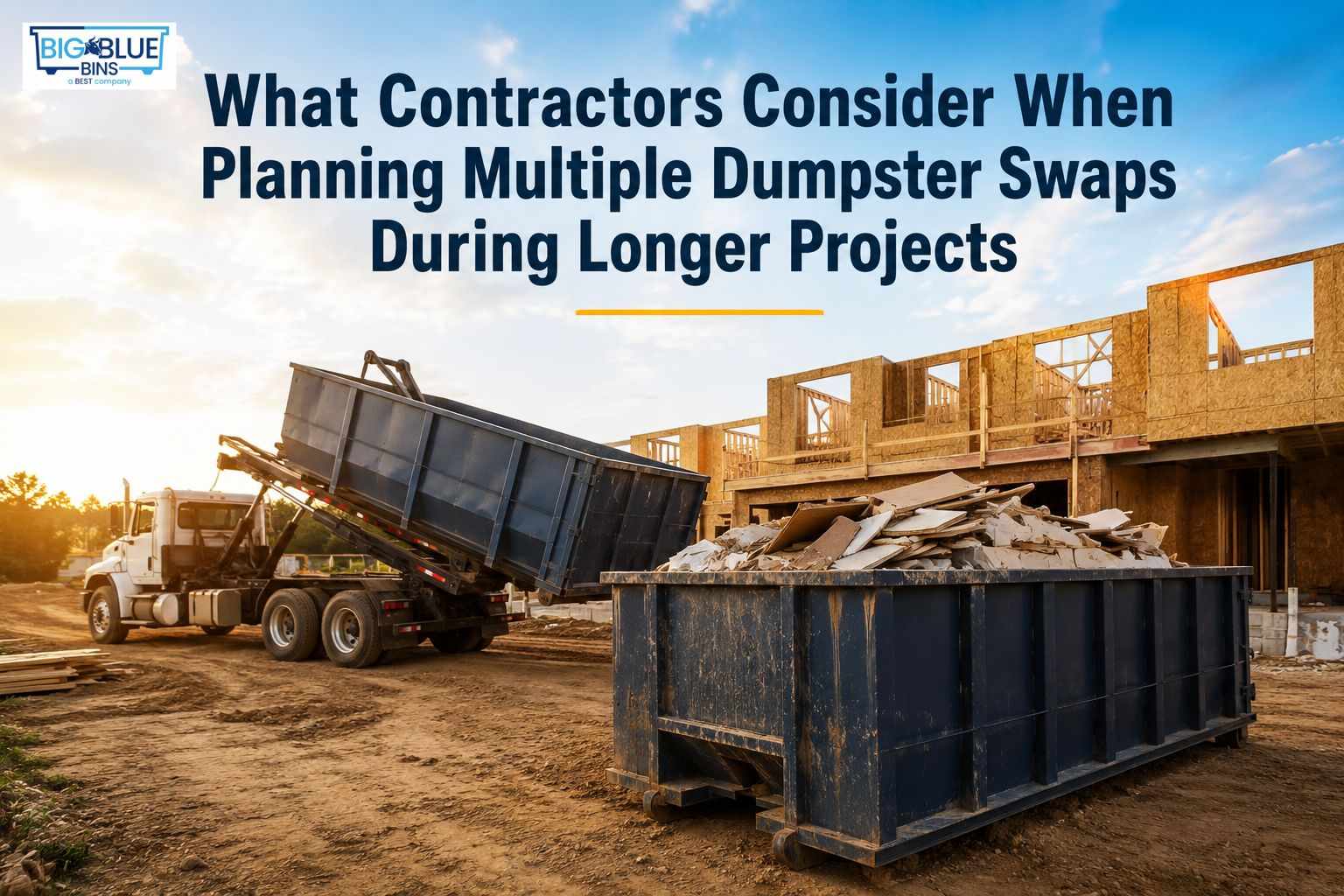
Fast swaps when the container's full
Scheduling that actually works around the job
Better flow overall for renovations that drag on for weeks
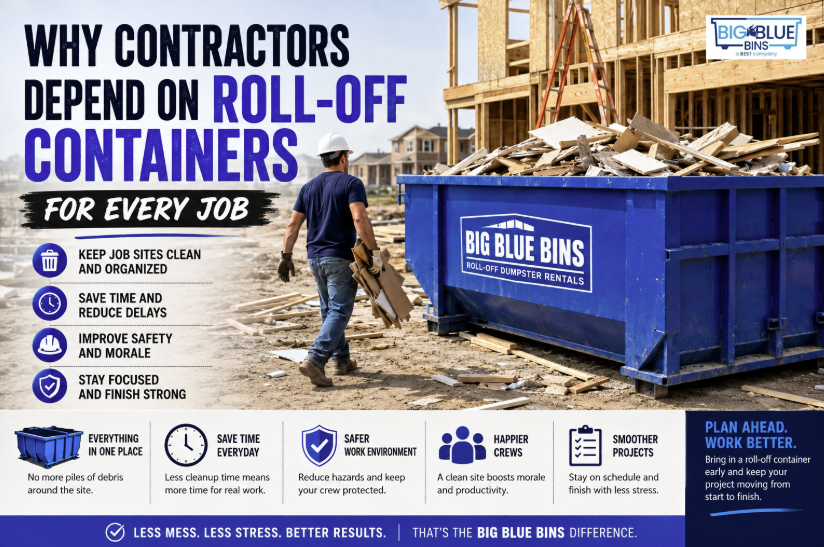
Instead of contractors doing a bunch of small hauls themselves, which eats up time nobody has, they can just keep working and let the dumpster handle the rest. Fewer interruptions, more actual progress.
If the renovation's got multiple phases, it's worth planning here too. Lining up efficient roll-off dumpster rentals around demo, framing, and finishing work makes a real difference. Swap the container out at each stage, and the job keeps moving instead of stalling because debris backed up somewhere it shouldn't have.
Real-World Scenario
Imagine a shopping plaza renovating four retail suites simultaneously.
Without planning:
Demolition debris fills parking areas.
Contractors compete for disposal space.
Overflow creates safety hazards.
Pickup delays slow progress.
With an organized waste removal strategy:
Separate dumpsters serve different work zones.
Scheduled pickups prevent overflow.
Contractors maintain cleaner work areas.
Property operations continue with fewer disruptions.
The difference isn't simply convenience; it's project efficiency.
Practical Planning Checklist for Property Managers
Before renovations begin, confirm:
Estimate expected debris volume.
Choose the appropriate dumpster size.
Schedule delivery before demolition starts.
Plan convenient dumpster placement.
Coordinate pickup dates with project milestones.
Prepare for additional debris if project scope changes.
Communicate waste procedures with contractors.
Following this checklist helps minimize costly surprises later.
Choosing a Reliable Waste Removal Partner
Not every provider brings the same level of service, and honestly, this is where a lot of property managers get burned. Some companies just drop off a container and disappear until pickup day.
Big Blue Bins is one of those companies that actually gets it: commercial renovations need dependable scheduling, support that actually responds when you call, deliveries that show up on time, and dumpster solutions flexible enough to keep up as the project changes shape.
Conclusion
Major tenant improvements already come with a hundred moving parts. Waste removal shouldn't have to be one more headache on top of that. Plan it out, get the dumpster size right, keep scheduling flexible, think about placement, do those things and the renovation runs cleaner and safer, plain and simple.
When waste management gets sorted from day one instead of scrambled together mid-project, the difference shows. Working with a partner like Big Blue Bins makes that early planning a lot easier to pull off. Contractors move faster, tenants deal with way less disruption, and the whole thing has a real shot at staying on schedule and on budget. It's easy to overlook until it's the thing throwing everything off.
Frequently Asked Questions
1. Why should property managers plan waste removal before tenant improvements begin?
Early planning keeps the site organized, improves safety, and helps avoid delays by ensuring waste is managed from the start.
2. What size dumpster is best for a commercial tenant improvement project?
The right size depends on the project's scope and debris volume. Larger renovations typically require larger roll-off dumpsters.
3. What types of debris are generated during tenant improvements?
Typical debris includes drywall, wood, flooring, ceiling tiles, metal, concrete, cabinets, and packaging materials.
4. How does a roll-off dumpster improve renovation efficiency?
It provides a convenient place for debris, keeps the site cleaner, and reduces interruptions with scheduled pickups.
5. Can waste removal planning help reduce project delays?
Yes. Timely dumpster delivery and pickups prevent debris buildup, helping contractors work more efficiently.
6. What should property managers consider when choosing a dumpster rental company?
Look for reliable service, flexible scheduling, fair pricing, and experience with commercial construction and renovation projects.


Write a comment ...