
Anyone who's worked construction knows the plan rarely survives contact with the actual job. Demolition dumps out way more debris than the estimate said. A renovation runs three weeks past where it was supposed to end. When stuff like that happens, contractors stop thinking about just "having a dumpster" and start thinking about whether it'll actually still be there when the job needs it most. That's honestly the main reason a lot of pros turn to dumpster rental solutions in Floral City for work that needs debris hauled away on a steady basis, not just once and done.
Setting up multiple dumpster swaps isn't as simple as swapping a full one for an empty one whenever it's convenient for the driver. It's more about keeping the crew productive, keeping the site from turning into a mess, and making sure garbage never stalls the whole job.
Why Multiple Dumpster Swaps Matter on Long-Term Projects
Longer projects don't produce waste all at once; it comes in waves. Demolition creates one kind of mess. Framing creates a completely different one. Then finishing work rolls in with packaging, drywall scraps, and whatever leftover materials didn't get used.
Instead of just ordering a bunch of dumpsters up front and hoping for the best, many contractors schedule planned swaps. Keeps waste moving without eating up space on the property that's needed for actual work.
The payoff usually looks like:
No overflowing dumpsters sitting there as an eyesore
Work areas that stay actually usable
Fewer delays from debris just piling up everywhere
Better safety for the crew, less stuff to trip over
Disposal costs that are way easier to keep track of
A scheduled approach often proves more efficient than waiting until a dumpster is full before requesting a replacement.
Factors Contractors Evaluate Before Scheduling Dumpster Swaps
1. The Project Timeline
Every job's got its milestones, and each stage kicks up a totally different kind of debris. Once you have a rough sense of when each phase hits, guessing when you'll need a dumpster swap gets a lot easier.
Roughly how it breaks down:
Demolition: concrete, drywall, wood, the heavy stuff
Framing: lumber scraps, pallets, packaging
Roofing: shingles, underlayment, flashing, and those nails that end up everywhere no matter how careful the crew is
Interior finishing: drywall offcuts, flooring scraps, trim, cabinets, and way more packaging than you'd expect
Knowing this ahead of time means you can schedule swaps instead of making a panicked call once the container's already overflowing. That panicked call is usually what ends up stalling the job.
2. Expected Debris Volume
Waste doesn't pile up at the same rate on every job, not even close. A kitchen remodel might take a month to fill one dumpster. A commercial job could need a couple swaps in a single week. Completely different situations.
The project managers who've been around a while usually run through: how much material's actually involved, how big the demo scope is, how much packaging's coming through, delivery timing, and whatever the weather's about to do that season.
Put all that together and you get an actual plan, not just a guess.
3. Choosing the Right Construction Dumpster Rental
Size trips people up more than anything else here. Go too small, and you're paying for extra hauls plus dealing with downtime that didn't need to happen. Honestly, one of the most common mistakes on jobsites.
When picking a construction dumpster rental, it usually comes down to: what kind of debris you're dealing with, how much room you've got on site, whether equipment can actually get in and out, weight limits, and how long the job's running.
Sometimes one bigger dumpster beats juggling constant swaps. Depends entirely on the job, but it's worth actually thinking it through instead of grabbing whatever size feels standard.
4. Jobsite Accessibility
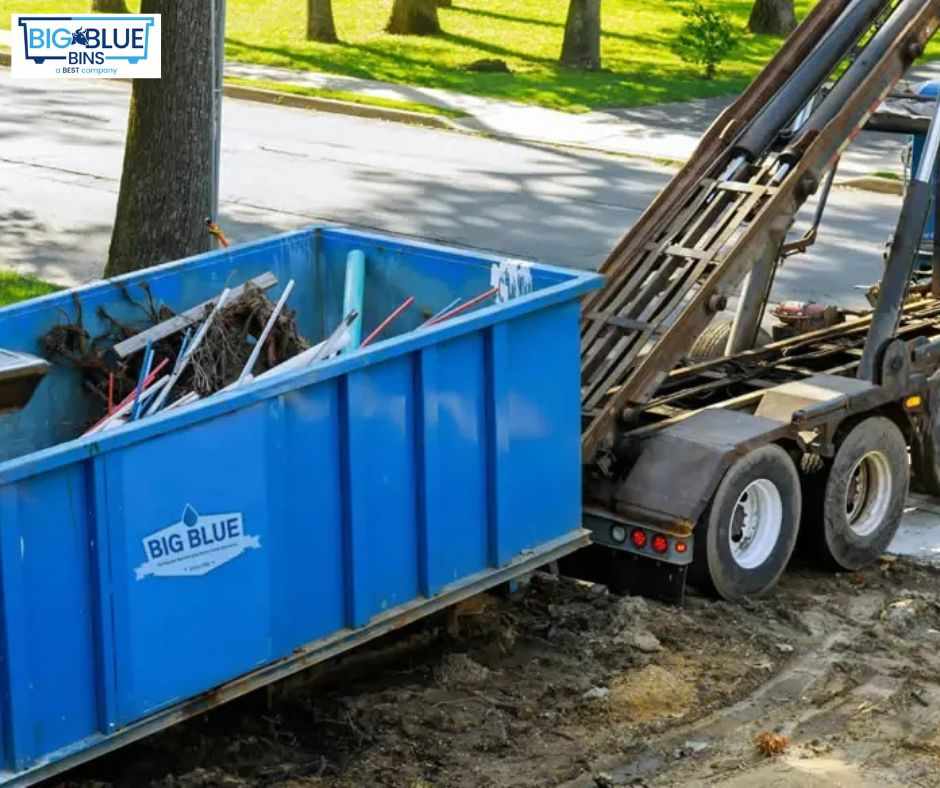
A swap itself takes maybe five minutes, but that's only true if the truck can actually reach the container without a hassle.
Worth checking ahead of time: how wide the entrance is, the truck's turning radius, any overhead power lines, where materials are staged, and whatever equipment's parked nearby that might be in the way.
Skip this and you find out the hard way when the truck shows up and just can't get close. Happens more often than people admit.
5. Local Disposal Requirements
Different materials get handled differently. Concrete, asphalt, roofing shingles, clean wood, and metal often have their own recycling or disposal requirements depending on local regulations.
Knowing these rules upfront helps prevent mixing materials that shouldn't be combined, reduces the risk of additional disposal fees, and keeps the project running smoothly. This is also where roll-off dumpster rentals can make a difference, as they provide a practical way to manage different types of construction debris throughout each phase of the project while supporting more organized waste disposal.
Why Jobsite Waste Management Starts Before the First Dumpster Arrives
Good waste management on a jobsite doesn't kick in once debris starts piling up everywhere. That's already too late. It actually starts way back during the planning stage, before a single dumpster even shows up.
The contractors who do this well usually:
Set up specific zones for waste collection instead of letting it scatter everywhere
Keep recyclables separated from the rest instead of tossing everything in one pile
Actually train the crew on how disposal's supposed to work, instead of assuming everyone just knows
Schedule pickups ahead of time, before containers are already stuffed full
Keep an eye on how much debris is piling up week to week
This kind of upfront thinking keeps the job moving and honestly makes the whole site safer to work on too.
Practical Tips for Scheduling Multiple Dumpster Swaps
If you're running a long-term project, a few habits can make waste removal much easier. Working with an experienced provider like Big Blue Bins also helps ensure dumpster swaps happen on time, keeping your project moving without unnecessary delays.
Estimate debris before the work even starts, not after it's piling up
Match dumpster size to whatever phase you're actually in
Line up swap dates around the big demolition pushes
Leave the delivery trucks a clear path in, always
Keep an eye on fill levels the whole way through; don't wait for a surprise
Separate recyclables where you can; it's worth the extra effort
Give the rental company a heads-up early if the timeline shifts
Conclusion
Waste management on a long project isn't just "haul the debris away when it piles up." There's actual planning involved, some back-and-forth communication, and enough flexibility to roll with schedule changes, because something always shifts eventually. Contractors who line up their dumpster swaps ahead of time tend to see less downtime, a cleaner site, and fewer random stalls holding the crew back.
At Big Blue Bins, we've been around enough jobs to know one thing for sure: no two projects need the same setup. A house renovation and a big commercial build don't produce waste the same way, not even close, and treating them like they do tends to catch up with you eventually.
Frequently Asked Questions
1. What is a dumpster swap service?
A dumpster swap service replaces a full roll-off dumpster with an empty one, allowing construction work to continue without delays while keeping the jobsite clean and organized.
2. How do contractors determine how many dumpster swaps they'll need?
Contractors estimate debris volume based on project size, materials, and timeline. They also monitor fill levels throughout the project and adjust swap schedules as needed.
3. Why is construction dumpster rental planning important?
Planning a construction dumpster rental helps ensure the right container is available when needed, reducing downtime, controlling costs, and improving jobsite efficiency.
4. What types of projects typically require multiple dumpster swaps?
Large renovations, commercial construction, demolition, roofing, and multi-phase remodeling projects often require multiple dumpster swaps due to continuous debris generation.
5. How does good jobsite waste management improve productivity?
Effective jobsite waste management keeps work areas clear, reduces safety hazards, and allows crews to focus on construction instead of handling accumulated debris.
6. Can scheduling dumpster swaps in advance reduce project delays?
Yes. Scheduling swaps ahead of time prevents overflowing dumpsters, keeps waste removal on track, and helps maintain a smooth construction schedule.


Write a comment ...